Home
Home English
 عربى
عربى Español
 русский
 Français
 中文简体
中文简体Background of Emergency Lighting and Power Reliability
Emergency lighting systems are designed to provide illumination when normal electrical power is unavailable. In many buildings, these systems play a role in guiding occupants during outages, evacuations, or unexpected disruptions. A common concern among facility managers and users is whether the performance of an emergency light LED remains stable when power outages last for an extended period or when power is interrupted repeatedly within a short time frame.
Basic Structure of an Emergency LED Light System
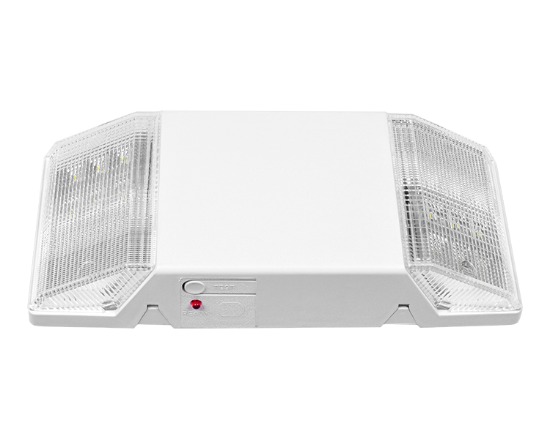
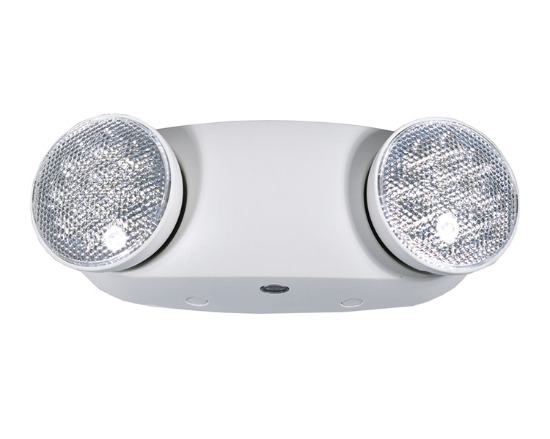
An emergency LED light typically consists of an LED light source, a rechargeable battery, a charging circuit, and a control module. Under normal conditions, the system stays connected to the main power supply while keeping the battery charged. When a power failure occurs, the control module switches the power source from the grid to the battery, allowing the emergency LED light to operate independently.
LED Technology and Its Role in Stability
LEDs are widely used in emergency lighting because of their low power consumption and predictable electrical behavior. Compared with traditional light sources, an emergency light LED requires less energy to produce usable illumination. This characteristic helps maintain relatively stable light output during battery-powered operation, even when the available energy is limited.
 |
 |
Impact of Prolonged Power Outages on LED Performance
During prolonged power outages, the primary limiting factor for an LED emergency light is battery capacity rather than the LED itself. LEDs generally maintain consistent light characteristics as long as the supplied voltage and current remain within the designed range. As the battery gradually discharges, the control circuit regulates power delivery to the LED to avoid sudden drops in brightness.
Battery Discharge Behavior Over Extended Periods
Rechargeable batteries used in emergency lighting systems, such as nickel-metal hydride or lithium-based batteries, have defined discharge curves. As the battery voltage decreases over time, the system may reduce light output slightly to extend operating duration. This gradual adjustment helps ensure that the emergency LED light remains functional throughout the rated emergency period rather than shutting off abruptly.
Repeated Power Interruptions and Switching Cycles
In environments where power interruptions occur frequently, emergency lighting systems may experience multiple switching cycles between main power and battery power. The control circuitry in a modern LED emergency light is designed to handle these transitions without causing instability in the LED operation. Each transition is managed electronically to minimize electrical stress on the LED components.
Thermal Considerations During Continuous Operation
Heat management is an important factor in LED performance. During extended outages, an emergency light LED may operate continuously for hours. LEDs generate less heat than many traditional light sources, but heat still accumulates within the fixture. Proper thermal design allows heat to dissipate gradually, helping the LED maintain consistent output during long emergency periods.
Influence of Driver Circuits on Light Stability
The driver circuit regulates current supplied to the LED. In emergency lighting systems, this circuit often includes both normal and emergency operation modes. A well-designed driver ensures that the emergency LED light receives stable current even when battery voltage fluctuates, supporting steady illumination during outages and repeated interruptions.
Effect of Battery Aging on Performance Consistency
Over time, rechargeable batteries lose capacity due to chemical aging and repeated charge-discharge cycles. As battery capacity declines, the duration of emergency operation may shorten. However, the LED itself typically maintains stable light characteristics during the available runtime, assuming the control circuit continues to regulate power effectively.
Testing Standards and Certification Requirements
Many emergency lighting products are evaluated against recognized standards. A UL emergency light, for example, is tested for factors such as emergency runtime, switching reliability, and electrical safety. These tests help verify that the emergency LED light can operate as expected during outages and under repeated power transition scenarios.
Comparison of LED Behavior Under Different Power Scenarios
| Power Scenario | LED Light Response | Primary Limiting Factor | Observed Stability |
| Single prolonged outage | Continuous operation with regulated output | Battery capacity | Generally steady |
| Repeated short interruptions | Multiple switching cycles | Control circuit response | Consistent if designed correctly |
| Extended outages with aged battery | Reduced runtime | Battery degradation | Stable during available time |
Role of Charging Circuits After Power Restoration
When normal power returns after an outage, the charging circuit replenishes the battery. In systems designed for repeated interruptions, the charger manages current carefully to avoid overheating or overcharging. This controlled charging process helps preserve battery health, indirectly supporting stable performance of the emergency light LED in future outages.
Environmental Factors Affecting Emergency LED Light Performance
Ambient temperature, humidity, and installation location can influence emergency lighting behavior. Low temperatures may reduce battery efficiency, while high temperatures can accelerate battery aging. Despite these influences, the LED component itself typically maintains stable light output as long as electrical conditions remain within design limits.
Mechanical and Electrical Stress From Frequent Switching
Repeated power interruptions introduce mechanical and electrical stress primarily to relays, switches, and electronic components rather than to the LED chip. Modern emergency LED light designs often use solid-state switching, which reduces wear and supports stable LED operation even when interruptions occur frequently.
Maintenance Practices and Long-Term Stability
Routine inspection and testing help ensure that emergency lighting systems remain reliable. Periodic functional tests verify that the emergency LED light activates correctly during outages and provides expected illumination. Replacing aging batteries and addressing wiring issues helps maintain stable performance over the product’s service life.
User Expectations Versus Real-World Performance
Users may expect emergency lighting to deliver unchanged brightness regardless of outage duration or frequency. In practice, small variations in light output can occur as the system balances energy consumption and runtime. These variations are part of the system’s design strategy rather than signs of malfunction.
Integration With Building Power Infrastructure
The stability of emergency lighting performance is also influenced by how the system is integrated into the building’s electrical infrastructure. Proper wiring, grounding, and compatibility with backup power systems help ensure that the emergency LED light transitions smoothly between power states.
Comparison With Non-LED Emergency Lighting Technologies
Compared with older emergency lighting technologies, LED-based systems generally offer more predictable behavior under battery power. Traditional light sources may show more noticeable brightness changes as voltage drops, while LEDs paired with regulated drivers tend to maintain more consistent output during outages.
Reliability Considerations for UL Emergency Light Installations
In installations where compliance with safety standards is required, a UL emergency light provides assurance that the system has been evaluated for performance under defined emergency conditions. This includes testing for operation during extended outages and after repeated power interruptions, supporting confidence in long-term stability.
Understanding Stability as a System-Level Outcome
The stability of an emergency light LED during prolonged outages or repeated interruptions depends on the combined performance of the LED, battery, driver circuit, and control logic. When these elements are designed to work together, the system can provide reliable illumination across a range of power scenarios without relying on continuous external power.


 NINGBO FEITUO ELECTRIC APPLIANCE CO., LTD.
 0086-574-87387582
 Website: www.ifeituo.com
 info@ifeituo.com
 Mob/WeChat/WhatsApp: 0086-135-6655-7272