Home
Home English
 عربى
عربى Español
 русский
 Français
 中文简体
中文简体Overview of Emergency Lighting Systems
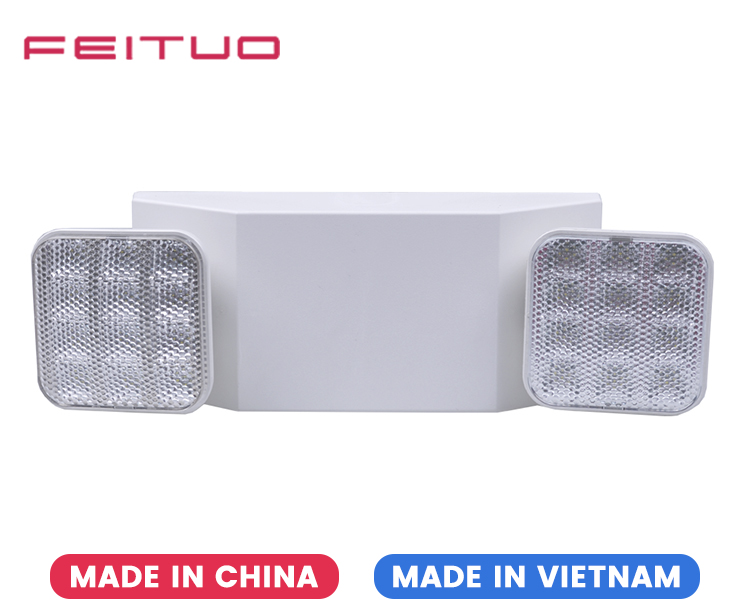
Emergency lights are essential components of building safety systems, designed to provide illumination during power outages or critical electrical failures. These lights are widely used in commercial buildings, industrial facilities, and public spaces to guide occupants safely to exits and prevent accidents. Modern emergency lights combine LED or fluorescent illumination with a backup power source, usually a rechargeable battery. The automatic activation of these lights during a power outage is facilitated by an integrated control circuit that constantly monitors the main power supply and ensures that illumination is available without manual intervention.

Power Supply Monitoring
Emergency lights continuously monitor the main electrical supply through a voltage sensing circuit. This circuit detects fluctuations or complete loss of voltage in the primary power line. When the voltage falls below a predefined threshold or drops to zero, the sensing circuit triggers the emergency light to switch from the primary power source to the backup battery. This transition happens almost instantaneously, ensuring uninterrupted illumination. The sensing mechanism is critical for providing reliable emergency lighting and is designed to operate even in the presence of brief voltage dips or transient disturbances.
Battery Backup Mechanism
The heart of automatic activation in emergency lights is the rechargeable battery backup. Common battery types include sealed lead-acid, nickel-cadmium, and lithium-ion. These batteries are charged continuously while the main power supply is active. When a power outage occurs, the control circuitry disconnects the main power and routes current from the battery to the light source. The capacity of the battery determines the duration for which the emergency light can operate, typically ranging from 30 minutes to several hours. Proper maintenance and periodic testing of the battery ensure consistent performance during an outage.
Control Circuit Functionality
Emergency lights employ a control circuit that manages both charging and discharging processes. The circuit regulates battery voltage during normal operation, preventing overcharging and extending battery life. During a power outage, the circuit automatically engages the light and may include features such as dimming control or gradual illumination to prevent sudden glare. Some advanced circuits also include self-diagnostic functions, which monitor the battery condition, lamp function, and internal wiring, providing alerts if maintenance is required. This integrated approach ensures that emergency lighting is always ready to operate when needed.
LED and Fluorescent Light Activation
The light source in emergency lighting systems is typically an LED or a fluorescent lamp. LEDs are preferred due to their low power consumption, long lifespan, and instant-on capability. During a power outage, the control circuit provides regulated current to the LED array, ensuring consistent illumination. Fluorescent lamps may require an inverter to convert battery DC power to AC, which can slightly delay activation compared to LED systems. The choice of light source affects the efficiency, response time, and maintenance requirements of the emergency lighting system.
Automatic Testing and Maintenance Features
Modern emergency lighting systems often include automatic testing features that simulate power outages to verify proper function. These tests may be performed periodically, such as weekly or monthly, and can log results for facility management review. Automatic testing ensures that both the battery and light source remain operational and can highlight degradation in battery capacity or LED performance before an actual outage occurs. Maintenance schedules based on these tests help extend the service life of the emergency lighting system and maintain safety compliance.
Key Components of an Automatic Emergency Light System
| Component | Function | Impact on Automatic Operation |
|---|---|---|
| Voltage Sensing Circuit | Monitors main power supply | Detects power outages and triggers battery activation |
| Rechargeable Battery | Provides backup power | Supplies energy to the light during outage |
| Control Circuit | Manages charging, discharging, and diagnostics | Ensures smooth transition and system readiness |
| Light Source (LED/Fluorescent) | Illuminates area | Instant or rapid-on light during outage |
| Self-Diagnostic Module | Monitors battery and lamp health | Alerts for maintenance to maintain readiness |
Integration with Building Safety Systems
Emergency lights are often integrated with building safety and fire alarm systems. In such cases, activation may occur both in response to power outages and in coordination with alarm signals. This ensures that occupants are guided during emergencies such as fires or natural disasters. Integration with monitoring systems allows facility managers to receive real-time status updates on the operation of emergency lighting throughout the building. Proper integration supports regulatory compliance and enhances the overall safety infrastructure.
Environmental and Operational Considerations
Environmental factors such as temperature, humidity, and vibration can influence the performance of emergency lights. Batteries may lose capacity under extreme cold or heat, and electronic circuits can be affected by moisture or dust. Manufacturers design emergency lights with protective housings and temperature-tolerant components to mitigate these effects. Routine inspection of mounting locations and environmental conditions ensures that lights remain functional and automatically responsive under various operational scenarios.
Conclusion on Automatic Emergency Light Activation
Emergency lights automatically turn on during power outages through a combination of voltage sensing, battery backup, and control circuitry. LED or fluorescent light sources receive regulated power from the battery, providing immediate illumination to ensure safety. Self-diagnostic features, automatic testing, and integration with building safety systems enhance reliability and readiness. Understanding the components, functionality, and maintenance requirements of emergency lighting systems ensures that they operate effectively during critical situations and provide continuous guidance to occupants without manual intervention.


 NINGBO FEITUO ELECTRIC APPLIANCE CO., LTD.
 0086-574-87387582
 Website: www.ifeituo.com
 info@ifeituo.com
 Mob/WeChat/WhatsApp: 0086-135-6655-7272