Home
Home English
 عربى
عربى Español
 русский
 Français
 中文简体
中文简体Introduction to Dual Head Emergency Lights
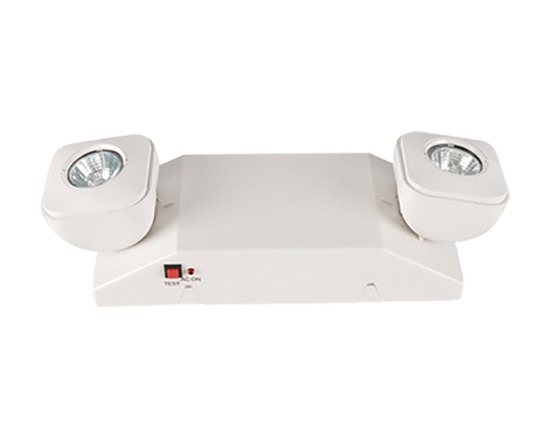
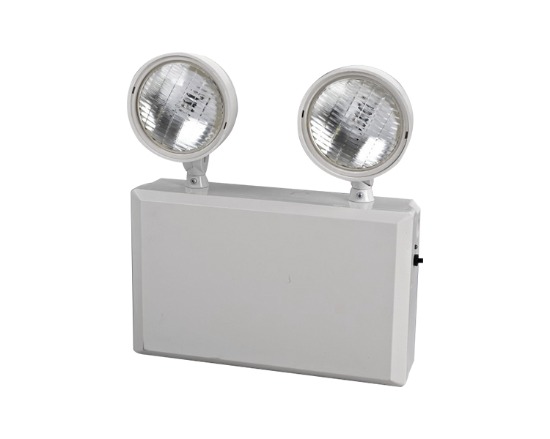
Emergency lighting systems are crucial for ensuring safety during power outages or other emergency situations. These lighting systems are designed to provide illumination in areas where normal lighting fails, such as during power cuts or emergencies, allowing people to safely navigate their environment. One of the most commonly used types of emergency lighting is the dual-head emergency light. These lights are equipped with two adjustable heads that can be directed to illuminate a larger area, providing effective lighting in a variety of settings such as office buildings, schools, hospitals, and industrial facilities.
 |
 |
Activation Mechanisms of Dual Head Emergency Lights
The activation of dual-head emergency lights is typically triggered automatically when the main power supply is interrupted, such as during a power outage. These lights are designed to function on backup power, usually supplied by rechargeable batteries or capacitors, ensuring that they continue to operate when normal lighting systems fail.
Most dual-head emergency lights are equipped with a built-in power sensing mechanism. When the electrical supply to the building is disrupted, the sensor detects the loss of power and automatically activates the emergency lights, illuminating the area with their dual heads. This automatic response is crucial in emergency situations, where quick illumination is required to guide people to safety.
In some cases, dual-head emergency lights may also include manual override switches that allow users to activate or deactivate the light as needed. However, the primary function of these lights is to automatically turn on during power failures or emergencies, providing reliable illumination without requiring user intervention.
Battery Backup Systems in Dual Head Emergency Lights
The reliability of a dual-head emergency light largely depends on the quality of its battery backup system. These lights typically use rechargeable batteries, such as nickel-cadmium (Ni-Cd) or lithium-ion batteries, which can provide sufficient power for several hours during an emergency. The batteries are constantly charged while the building's main power supply is functioning, ensuring that they are ready for use in case of an emergency.
Battery capacity and lifespan are key factors in determining how long a dual-head emergency light can remain operational during a power outage. In most cases, these lights are designed to last for a minimum of 90 minutes, which is the standard duration required by safety regulations for emergency lighting. However, the battery life may vary depending on the light's design, the quality of the battery, and how frequently the light is used.
Some modern dual-head emergency lights are equipped with smart charging systems that optimize battery performance and extend battery life. These systems monitor the health of the battery and ensure that it remains fully charged when not in use, reducing the risk of battery degradation over time.
Response Time and Immediate Activation
One of the key features of dual-head emergency lights is their ability to activate immediately when needed. In the event of a power outage or emergency, it is crucial that the lighting system responds quickly to provide illumination. The activation mechanism in dual-head emergency lights is designed to ensure that the lights turn on almost instantaneously after the loss of power is detected.
Typically, the response time for dual-head emergency lights is very short, often within a few seconds. This immediate activation ensures that there is minimal delay between the loss of power and the lighting of the emergency lights, allowing individuals to react quickly and safely navigate to exits or safe areas.
In addition to quick activation, some dual-head emergency lights may also include features such as dimming controls or adjustable lighting intensities to optimize energy usage while still providing adequate illumination during an emergency. These lights are designed to meet safety standards, ensuring that they provide sufficient light for the required duration without overloading the backup battery.
Regulations and Standards for Emergency Lighting
In many regions, emergency lighting systems, including dual-head emergency lights, are subject to strict regulations and standards to ensure their effectiveness in emergencies. These regulations typically require that emergency lighting be installed in all areas where people may need to evacuate in the event of an emergency, such as hallways, stairwells, and exit routes.
In addition to the requirement for emergency lighting to be installed in strategic locations, regulations often stipulate that these lights must be capable of operating for a minimum amount of time (usually 90 minutes) during a power failure. They must also meet certain brightness and visibility standards to ensure that the light is sufficient for people to safely evacuate the building.
For dual-head emergency lights, these regulations often specify that the lights should be capable of illuminating large areas, especially in settings where there may be multiple people requiring guidance during an emergency. The two adjustable heads on dual-head emergency lights provide flexibility in directing light where it is needed most, ensuring that the entire area is illuminated in case of an emergency.
Maintenance and Testing of Dual Head Emergency Lights
To ensure that dual-head emergency lights function properly in the event of a power outage, regular maintenance and testing are required. This typically includes checking the batteries to ensure that they are fully charged and testing the lights to verify that they activate properly when the power is turned off.
Most building codes and safety regulations require periodic testing of emergency lighting systems to ensure compliance with safety standards. This can include monthly self-tests or more detailed annual inspections by qualified personnel. During these tests, the functionality of the light, battery life, and the operation of the activation mechanism should all be thoroughly evaluated.
Additionally, manufacturers often provide guidelines for maintaining dual-head emergency lights, such as replacing the batteries every few years or inspecting the lights for signs of wear or damage. Proper maintenance ensures that the emergency lights remain fully operational when they are most needed.
Benefits of Dual Head Emergency Lights
Dual-head emergency lights offer several benefits over traditional single-head lights, particularly in larger areas or spaces with complex layouts. Some of the advantages include:
- Increased coverage: The two adjustable heads allow for more efficient illumination of large or irregularly shaped spaces. This ensures that more areas are covered with light, reducing the risk of dark spots during an emergency.
- Enhanced flexibility: The ability to adjust the angle of the lights provides greater flexibility in directing light to specific areas, such as exit routes, stairways, or emergency exits.
- Improved visibility: Dual-head lights are typically brighter and provide more uniform illumination, which is essential for guiding people safely during a power outage.
- Reliable performance: The quick activation and battery backup systems ensure that these lights are always ready when needed, enhancing safety and compliance with building codes.
Comparison of Dual Head Emergency Lights with Other Emergency Lighting Options
Dual-head emergency lights offer several advantages over other types of emergency lighting, such as single-head lights or LED strip lights. The following table compares key features of different emergency lighting systems:
| Type of Emergency Light | Illumination Coverage | Activation Speed | Battery Backup Duration | Adjustability |
| Dual Head Emergency Light | High (adjustable heads) | Immediate | 90 minutes or more | High (adjustable heads) |
| Single Head Emergency Light | Moderate | Immediate | 90 minutes or more | Low |
| LED Strip Lights | Moderate to High | Immediate | Varies (typically 90 minutes) | Low (fixed positioning) |
Immediate Activation of Dual Head Emergency Lights
Dual-head emergency lights are designed to provide reliable illumination in emergency situations, with features that ensure immediate activation during power outages or emergencies. The combination of quick activation, adjustable light heads, and efficient battery backup systems makes them an excellent choice for ensuring safety in various settings. By meeting strict regulatory standards and requiring minimal maintenance, these lights offer both flexibility and reliability, contributing to the overall safety of the building's occupants.


 NINGBO FEITUO ELECTRIC APPLIANCE CO., LTD.
 0086-574-87387582
 Website: www.ifeituo.com
 info@ifeituo.com
 Mob/WeChat/WhatsApp: 0086-135-6655-7272