Home
Home English
 عربى
عربى Español
 русский
 Français
 中文简体
中文简体Introduction to Dual Head Emergency Light
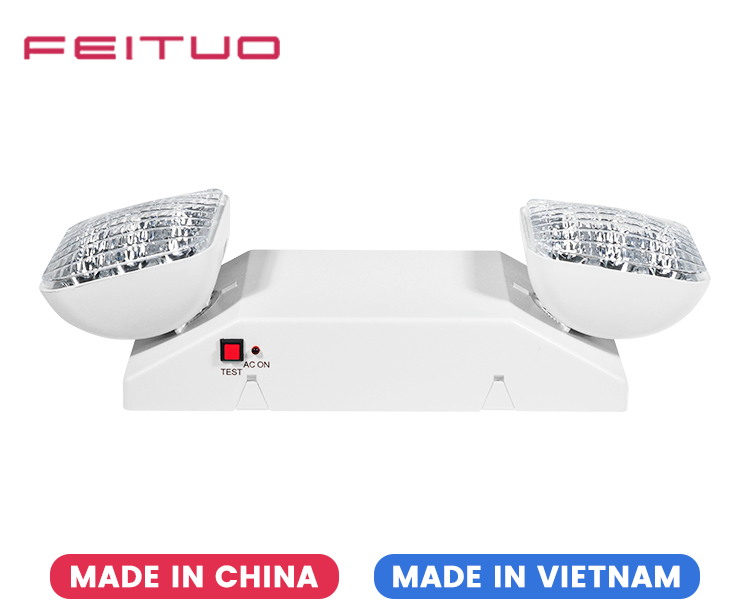
A dual head emergency light is a lighting device designed to provide illumination during power outages or emergency situations. It is equipped with two adjustable lamp heads that can be directed toward different areas, ensuring wider coverage in critical environments such as commercial buildings, residential spaces, warehouses, or public facilities. With the increasing emphasis on sustainable development, dual head emergency lights are often designed to integrate energy-saving features and environmentally friendly materials, making them an important element in modern safety systems. Their role extends beyond basic safety, as they contribute to reducing energy consumption and minimizing environmental impact.
Energy-Efficient Light Sources
One of the most important advantages of dual head emergency lights lies in their use of energy-efficient light sources, such as LED lamps. Compared to traditional incandescent or halogen bulbs, LEDs require less energy to generate the same level of illumination. This not only lowers electricity consumption during normal operation and testing but also extends battery life during emergencies. As a result, facilities can maintain safety standards without incurring excessive energy costs. Furthermore, the reduced power requirement enables the use of more compact batteries, indirectly supporting environmental protection by lowering material usage.
Extended Battery Performance
Energy saving in dual head emergency lights is closely connected with the efficiency of their battery systems. High-efficiency rechargeable batteries, such as lithium-ion or nickel-metal hydride types, are commonly used in these devices. Their ability to store and release energy effectively reduces the frequency of charging cycles, which contributes to lower electricity consumption. Additionally, extended battery performance ensures that the lighting system can support long-duration emergencies without requiring oversized power storage, which would otherwise increase resource consumption and waste. This efficiency supports both energy conservation and environmental sustainability.
Low Power Consumption in Standby Mode
Dual head emergency lights are typically kept in standby mode for most of their operational life. Modern designs emphasize minimizing standby power consumption, which contributes to substantial energy savings over time. Even small reductions in standby energy use become significant when multiplied across large-scale installations in office buildings, shopping centers, or industrial sites. By adopting advanced electronic circuits and efficient charging modules, manufacturers ensure that these systems consume minimal energy while maintaining readiness for emergencies.
Contribution to Reduced Carbon Emissions
The reduced energy consumption of dual head emergency lights translates directly into lower carbon emissions when electricity is generated from fossil fuel sources. By lowering the overall demand for power, these systems help decrease greenhouse gas emissions. This contribution is particularly relevant in regions where coal or natural gas remains a dominant source of electricity. Facilities adopting energy-saving emergency lighting solutions can therefore align themselves with broader goals of carbon reduction and corporate environmental responsibility.
Use of Environmentally Friendly Materials
In addition to energy efficiency, dual head emergency lights increasingly incorporate environmentally friendly materials in their production. Recyclable plastics, low-toxicity electronic components, and reduced heavy metal content in batteries are examples of this shift. By designing products with sustainability in mind, manufacturers reduce the environmental impact during both the production phase and the end-of-life disposal stage. Environmentally conscious material choices also enhance the safety of these products in indoor environments, ensuring that harmful substances are minimized.
Durability and Waste Reduction
Another important environmental advantage of dual head emergency lights is their durability. Long-lasting LEDs and robust housing materials reduce the frequency of replacements, thereby lowering electronic waste generation. Traditional emergency lights using incandescent bulbs require frequent maintenance and disposal of used bulbs, which increases waste. By contrast, LED-based dual head emergency lights can last thousands of hours without replacement, aligning with principles of waste reduction and sustainable resource use.
Comparison of Energy and Environmental Features
The following table highlights the differences between traditional emergency lights and modern dual head emergency lights in terms of energy saving and environmental protection:
| Feature | Traditional Emergency Light | Dual Head Emergency Light |
|---|---|---|
| Light Source | Incandescent/Halogen | LED |
| Power Consumption | High | Low |
| Battery Type | Lead-acid | Lithium-ion/NiMH |
| Standby Energy Use | Moderate to High | Low |
| Lifespan of Light Source | Short | Long |
| Environmental Material Use | Limited | Recyclable/Low-toxicity |
| Waste Generation | Frequent bulb replacement | Reduced due to durability |
This comparison makes it clear that dual head emergency lights not only save energy but also have a smaller ecological footprint, which benefits both users and the environment.
Alignment with Green Building Standards
The integration of energy-saving and environmentally friendly features in dual head emergency lights supports compliance with green building standards and certifications such as LEED or BREEAM. These systems contribute to credits in categories related to energy efficiency, indoor environmental quality, and sustainable resource use. As businesses and developers pursue environmentally responsible construction projects, the adoption of dual head emergency lighting becomes an important step toward achieving such certifications.
Economic and Environmental Synergy
Energy saving and environmental protection are not mutually exclusive but instead create a synergy that benefits both users and the planet. By reducing energy consumption, facilities not only lower utility expenses but also reduce their carbon footprint. The long lifespan of LEDs and efficient batteries lowers maintenance costs, while environmentally friendly materials contribute to safer disposal processes. This balance of cost savings and ecological responsibility underscores the practical and sustainable nature of dual head emergency lights.
Future Trends in Sustainable Emergency Lighting
The future of dual head emergency lights is expected to continue evolving toward greater sustainability. Potential innovations include the integration of solar charging modules, the use of biodegradable plastics, and advanced energy management systems. These advancements will further reduce reliance on traditional energy sources and materials, supporting global efforts to build more resilient and eco-conscious infrastructures. By continuously improving the energy-saving and environmental features of emergency lighting, manufacturers will help shape a safer and greener future.


 NINGBO FEITUO ELECTRIC APPLIANCE CO., LTD.
 0086-574-87387582
 Website: www.ifeituo.com
 info@ifeituo.com
 Mob/WeChat/WhatsApp: 0086-135-6655-7272