Home
Home English
 عربى
عربى Español
 русский
 Français
 中文简体
中文简体Introduction to Dual Head Emergency Lights
Dual head emergency lights are widely used in residential, commercial, and industrial facilities as essential safety equipment. Their primary function is to provide illumination in the event of a power outage or emergency, allowing safe evacuation and reducing risks of accidents. A dual head emergency light typically includes two adjustable light heads, rechargeable batteries, and a control circuit that enables automatic switching from main power to backup power. To ensure reliability, these lights require consistent maintenance during daily use. Understanding the necessary maintenance procedures helps extend their lifespan and keeps them functional during unexpected power failures.
Importance of Regular Maintenance
Regular maintenance of dual head emergency lights is critical for ensuring they operate when needed. Unlike standard lighting systems, emergency lights are not used continuously, which means issues such as battery degradation or bulb malfunction may go unnoticed until an actual emergency occurs. By implementing scheduled checks and upkeep, facility managers can identify and address potential failures early. Maintenance also ensures compliance with building codes and safety regulations, as many jurisdictions mandate regular inspection of emergency lighting systems.
Battery Care and Inspection
The battery is one of the most important components in a dual head emergency light. Since it provides power when the main supply fails, proper care ensures consistent performance. Daily use requires periodic visual inspection of the battery to check for swelling, corrosion, or leakage. Charging circuits should also be tested to verify that the battery is being charged correctly when the unit is connected to mains power. In many cases, batteries may need replacement every 3–5 years depending on usage and environmental conditions.
Common Battery Issues and Solutions
| Battery Issue | Possible Cause | Maintenance Action |
|---|---|---|
| Battery not holding charge | Aging or damaged cells | Replace battery with compatible model |
| Battery overheating | Faulty charging circuit | Inspect and repair charging system |
| Corrosion on terminals | Moisture or leakage | Clean terminals and apply protection |
Light Head Function and Bulb Testing
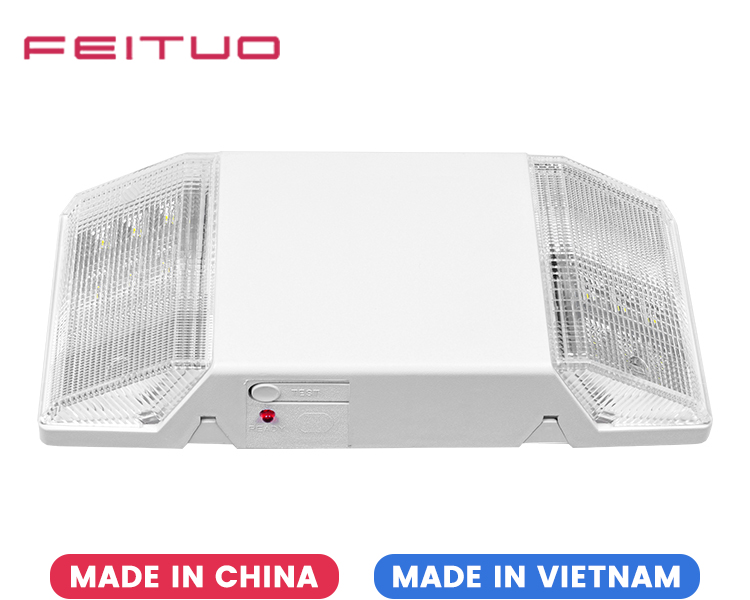
Each light head should be tested regularly to ensure illumination is sufficient. Most modern dual head emergency lights use LED bulbs, which have a long lifespan, but dust accumulation or electrical faults may reduce brightness. Maintenance involves wiping the lenses clean, checking light beam adjustment, and confirming that both heads function simultaneously when power is interrupted. Testing can be performed manually by switching off mains power or using a built-in test button, if available.
Electrical Connections and Wiring
Reliable operation depends on secure electrical connections inside the emergency light. Loose wiring, burnt connectors, or frayed cables may cause malfunction. Regular inspection of wiring ensures that both the charging function and emergency activation work as designed. During maintenance, electricians should confirm that voltage supplied to the unit is stable and within recommended limits. In addition, grounding connections should be checked to minimize safety hazards.
Testing Procedures and Schedules
Dual head emergency lights should be tested on a routine basis to guarantee reliability. Testing usually involves simulating a power outage to verify automatic switching and sufficient illumination. Daily inspections can include a quick check of the indicator light, while monthly or quarterly tests should involve running the unit on battery for a set period. Some facilities also perform annual full-duration tests to ensure the light can sustain illumination for the required emergency duration, typically 90 minutes or longer depending on regulations.
Suggested Testing Schedule
| Frequency | Maintenance Activity |
|---|---|
| Daily | Check indicator light and physical condition |
| Monthly | Perform short function test using test button |
| Quarterly | Simulate power failure and run lights for 30 minutes |
| Annually | Full-duration test for complete rated emergency period |
Cleaning and Dust Removal
Dust, dirt, and debris can accumulate on the lenses and surfaces of dual head emergency lights, reducing their effectiveness. Cleaning should be part of regular maintenance to ensure maximum light output. Soft cloths and non-abrasive cleaning agents are recommended to avoid scratching the lens. For units installed in industrial or outdoor environments, cleaning may be required more frequently due to exposure to pollutants.
Environmental Considerations
The performance of dual head emergency lights can be affected by environmental factors such as temperature, humidity, and dust levels. Batteries may degrade faster in high-temperature environments, while moisture may lead to corrosion of metal parts. During maintenance, surrounding conditions should be assessed to determine whether protective measures, such as enclosures or ventilation, are required. Ensuring the unit is installed in a stable and protected location contributes to long-term reliability.
Documentation and Record Keeping
Keeping accurate records of maintenance activities is essential for accountability and compliance. Documentation should include inspection dates, test results, battery replacement dates, and any corrective actions taken. This information helps track performance trends, schedule preventive maintenance, and provide proof of compliance with safety standards during inspections.
Example Maintenance Record Template
| Date | Activity Performed | Result | Technician Signature |
|---|---|---|---|
| 2025-01-15 | Battery inspection | Passed | A. Smith |
| 2025-03-10 | Quarterly function test | Passed | B. Johnson |
| 2025-07-01 | Full-duration annual test | Passed | C. Davis |
Professional Maintenance vs. In-House Checks
Depending on the facility, maintenance may be carried out by trained in-house staff or external professionals. While daily and monthly checks can be performed by building personnel, more detailed inspections such as wiring checks or full-duration testing may require certified technicians. Professional maintenance ensures compliance with technical standards and can help detect issues that might not be visible during routine inspections.
Replacement of Components
Even with regular maintenance, certain parts of a dual head emergency light will require eventual replacement. Batteries, bulbs, and electronic circuits are subject to wear over time. Establishing a proactive replacement schedule reduces the risk of sudden failures during emergencies. Using manufacturer-approved replacement parts is recommended to ensure compatibility and maintain performance.
Compliance with Safety Regulations
Most regions have building codes that mandate regular inspection and testing of emergency lighting systems. Maintenance procedures should align with these standards to avoid penalties and to ensure that facilities remain safe for occupants. Regulatory requirements may specify the frequency of testing, the duration of illumination, and record-keeping practices. By following these guidelines, organizations can maintain both safety and legal compliance.
Cost Considerations of Maintenance
The cost of maintaining dual head emergency lights includes labor, replacement parts, and periodic professional inspections. While these costs may seem like an additional burden, they are minimal compared to the risks of system failure during an emergency. Budgeting for regular maintenance helps avoid unexpected expenses and ensures that emergency lighting remains reliable.
Common Mistakes in Daily Maintenance
Certain mistakes can compromise the effectiveness of dual head emergency lights. For example, neglecting battery inspection, overlooking dirt buildup, or skipping scheduled tests may reduce reliability. Relying solely on indicator lights without conducting full function tests is another common oversight. Awareness of these mistakes helps facility managers improve maintenance routines and avoid gaps in safety coverage.


 NINGBO FEITUO ELECTRIC APPLIANCE CO., LTD.
 0086-574-87387582
 Website: www.ifeituo.com
 info@ifeituo.com
 Mob/WeChat/WhatsApp: 0086-135-6655-7272