Home
Home English
 عربى
عربى Español
 русский
 Français
 中文简体
中文简体Overview of Emergency Downlights
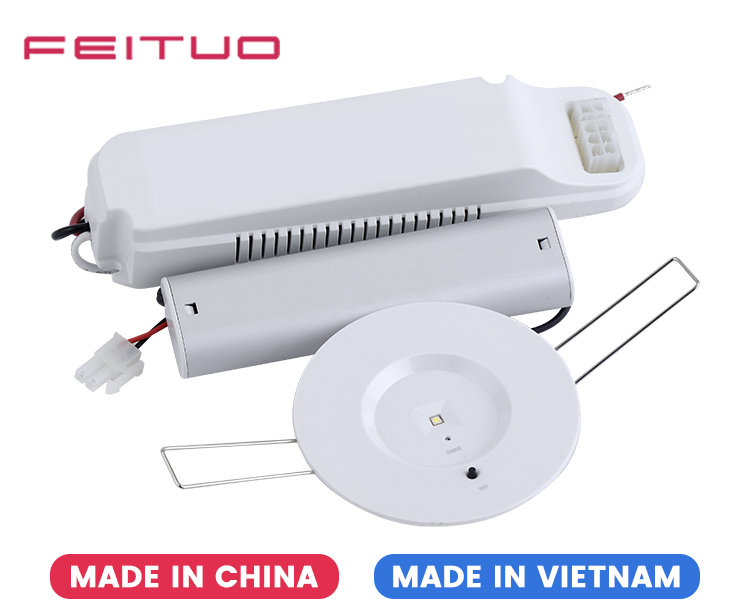
Emergency downlights are essential components in both residential and commercial settings, providing illumination during power outages or emergency situations. Unlike standard lighting fixtures, emergency downlights are designed to switch automatically to battery power when mains electricity fails, ensuring safety and visibility. Increasingly, modern designs incorporate energy-saving and smart control features to enhance efficiency and usability.
Energy-Saving Design Principles
Energy-saving emergency downlights employ various strategies to reduce power consumption during both normal and emergency operation. LED technology is commonly used, providing higher luminous efficacy compared to traditional incandescent or fluorescent lamps. LEDs consume less power, have longer lifespans, and generate less heat, contributing to overall energy efficiency. Additionally, energy-efficient circuitry ensures that the standby battery draws minimal power while remaining fully charged and ready for use.
Battery and Power Management for Efficiency
Emergency downlights often feature integrated battery management systems to optimize energy usage. These systems regulate charging cycles, prevent overcharging, and ensure consistent output during emergencies. Efficient battery management reduces energy waste and extends the lifespan of the battery, which is a critical factor for maintaining reliable performance without frequent replacements.
Smart Control Features
Smart control features enhance both convenience and safety in emergency downlights. Sensors, timers, and remote control capabilities allow automatic adjustment of lighting levels, ensuring that illumination is only used when necessary. Motion sensors may activate the light when movement is detected, while light sensors prevent activation during adequate ambient lighting. These features not only conserve energy but also improve the responsiveness of the emergency system.
Integration with Building Management Systems
Advanced emergency downlights can be connected to building management systems (BMS), allowing centralized monitoring and control. Smart interfaces provide real-time status updates, battery health monitoring, and scheduled testing without manual intervention. Integration with BMS facilitates predictive maintenance, energy tracking, and optimized usage patterns, contributing to both operational efficiency and cost reduction.
Comparison of Features in Modern Emergency Downlights
| Feature | Function | Energy Impact |
|---|---|---|
| LED light source | Provides illumination with low power consumption | Reduces electricity usage compared to traditional lamps |
| Battery management system | Regulates charging and discharging | Minimizes energy waste and prolongs battery life |
| Motion sensor | Activates light upon detecting movement | Prevents unnecessary energy use |
| Light sensor | Detects ambient light levels to control activation | Conserves energy during daylight or sufficient illumination |
| BMS integration | Centralized control and monitoring | Optimizes energy management across multiple units |
Adaptive Illumination and Dimming Capabilities
Some emergency downlights feature dimming or adaptive illumination to further reduce energy usage. During emergencies, the light intensity can adjust based on required visibility, minimizing unnecessary energy consumption. This adaptability also contributes to battery conservation, allowing the light to function for longer periods during outages.
Smart Testing and Maintenance Features
Smart emergency downlights often include automated testing cycles that simulate power failures to ensure proper functionality. These self-tests consume minimal energy and reduce the need for manual inspections. By providing diagnostic information and alerts, the system helps maintain reliable performance while conserving both energy and maintenance resources.
Impact on Overall Energy Consumption
Incorporating energy-saving design and smart controls can significantly reduce the energy footprint of emergency lighting systems. Although these lights are used primarily during emergencies, the standby power consumption can accumulate over time. Efficient LEDs, low-power electronics, and intelligent control strategies help maintain a low energy profile while ensuring that the lights remain functional and ready for use.
Environmental Benefits of Energy-Saving Designs
Reducing energy consumption through efficient design has environmental advantages. Lower electricity usage results in reduced carbon emissions from power generation. In addition, longer-lasting LEDs and batteries minimize waste and the environmental impact of component disposal. Smart control features reduce unnecessary operation, further contributing to sustainability goals in buildings.
User Convenience and Safety Considerations
Energy-saving and smart control features also enhance user convenience. Automatic activation, remote monitoring, and adaptive dimming simplify operation and reduce the need for manual intervention. During emergencies, reliable illumination ensures safety while maintaining energy efficiency. Users benefit from reduced operational costs and lower maintenance requirements.
Benefits of Smart and Energy-Saving Emergency Downlights
| Design Feature | Benefit | Impact on Energy |
|---|---|---|
| LED light source | Long lifespan, reduced heat | Lower electricity consumption |
| Smart control | Automatic activation, adaptive dimming | Prevents unnecessary energy use |
| Battery management system | Optimizes charging cycles | Reduces energy waste |
| Automated testing | Ensures functionality with minimal manual effort | Minimal additional energy consumption |
Design Integration
Emergency downlights equipped with energy-saving features and smart controls offer a combination of reliability, efficiency, and convenience. By integrating LED technology, intelligent sensors, battery management systems, and optional building system connectivity, these lights maintain consistent performance during emergencies while minimizing energy consumption. Such design considerations balance user safety, operational efficiency, and environmental impact, making them suitable for a variety of building applications.


 NINGBO FEITUO ELECTRIC APPLIANCE CO., LTD.
 0086-574-87387582
 Website: www.ifeituo.com
 info@ifeituo.com
 Mob/WeChat/WhatsApp: 0086-135-6655-7272